Moving is one of life’s biggest changes. You are trusting a stranger with your furniture, your family photos and sometimes your peace of mind. With so many movers advertising in the Denton and Dallas-Fort Worth area, how do you know which one to call?
The good news is that choosing the right moving company does not have to feel overwhelming. A little upfront research can save you time, money and stress down the road. This guide walks you through what to look for, what to avoid and how to protect yourself before you sign anything.
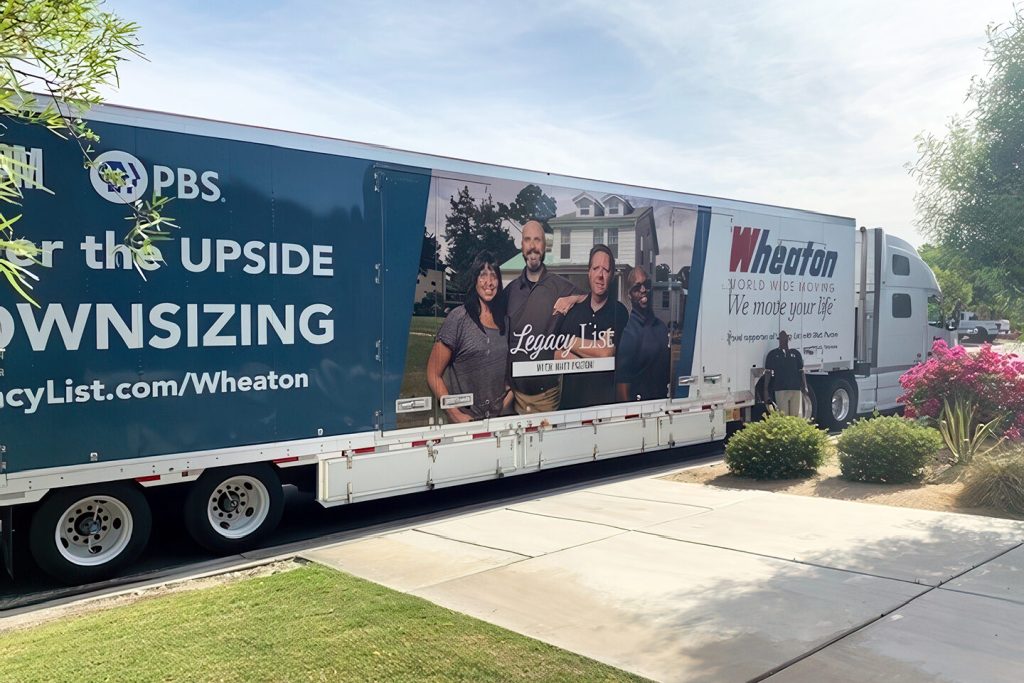
Duryea Moving & Storage has been a Denton, TX, mover since 1981. As an interstate agent for Wheaton World Wide Moving, we know what a well-run move looks like, and we also know how easy it is for an inexperienced or dishonest mover to turn moving day into a nightmare.
Here is what to keep in mind as you search for the right team.
What to Look for in a Moving Company
Before you book anyone, it helps to know what separates a solid, professional mover from a risky one. A few things matter most:
Proper licensing. Any mover crossing state lines must be registered with the Federal Motor Carrier Safety Administration (FMCSA) and hold a valid USDOT number. Duryea’s USDOT number through Wheaton World Wide Moving is 70719. Local Texas moves fall under state rules, but a legitimate company should still be able to show you proof of insurance and business registration.
Years in business. A company that has been around for decades has a track record you can check. Longevity usually means steady leadership, trained crews and a reputation the owners care about protecting.
Real reviews from real customers. Check the movers’ Google or Yelp reviews. Look past the star rating and read what people actually wrote. Pay attention to how the company handled problems, not just whether everything went perfectly.
A written, in-home or virtual estimate. FMCSA requires movers to give you a written estimate that spells out the type of estimate offered and the mover’s liability if something is lost or damaged. A company that only quotes you a price over the phone without seeing your belongings is skipping a required step.
Clear communication about services and pricing. A trustworthy mover explains what is included, what costs extra, and answers your questions without pressure or vague language.
Industry affiliations. Membership in a recognized van line or moving network, such as Wheaton World Wide Moving or the Preferred Movers Network, shows the company has met outside standards for service and accountability.
Tips for Choosing a Reputable Moving Company
Once you have a shortlist of movers, use these steps to narrow it down:
- Get at least three written estimates. Comparing multiple estimates helps you spot prices that seem too low to be realistic, which can be more of a warning sign than a bargain.
- Get an in-person or video survey of your belongings. Most moving companies will require this before offering an estimate. This lets a mover give you an accurate estimate instead of guessing.
- Confirm the company’s USDOT and MC numbers. You can look these up for free through the FMCSA’s public database before you ever sign a contract.
- Ask how long they have operated in the Denton and DFW area. Local experience matters when navigating neighborhoods, apartment complexes, and office buildings.
- Read the fine print on the estimate and contract. Make sure dates, charges, and valuation coverage are clearly spelled out, and never sign a blank or incomplete form.
- Ask about their claims process. A reputable mover will explain exactly what happens if an item is damaged and how long you have to file a claim.
Duryea Moving & Storage has built its reputation over more than four decades by giving Denton families straightforward answers to these questions, for both local moves and long-distance moves handled through our Wheaton World Wide Moving affiliation.
Tips on Avoiding Moving Scams
Unfortunately, moving fraud is a real problem, and the FMCSA has run public awareness campaigns to warn consumers about so-called “rogue movers.” The agency notes that while most moving companies are legitimate, a small percentage of dishonest movers have generated a growing number of fraud complaints in recent years. Watch for these warning signs:
- No physical or virtual survey before the quote. A mover who insists on giving you a price over the phone or online without seeing your belongings, rather than visiting your home or doing a virtual tour, is a red flag according to consumer advocates.
- Large upfront deposits or cash demands. Reputable movers usually don’t require a large payment before they even load your items onto the truck.
- Unmarked, unbranded or rental trucks. A professional company’s vehicles should clearly display the business name.
- No mention of your rights as a mover. Licensed interstate movers are required to give customers a booklet called “Your Rights and Responsibilities When You Move” before a move.
- Refusal to put anything in writing. If a company will not give you a signed, written estimate, walk away.
- A quote that seems dramatically cheaper than every other bid. This is often used to win your business, only for the price to increase once your items are already on the truck. The company will then not deliver them until you pay up.
If you ever feel pressured, rushed, or unable to get straight answers from a moving company, trust that instinct and look elsewhere.
Understanding Moving Insurance and Valuation Protection
Many people assume their belongings are automatically fully covered during a move. That is not quite how it works. Movers are required to offer you a choice between two levels of liability coverage, known as valuation protection:
Full Value Protection. Under this option, the mover is responsible for the full replacement value of any lost or damaged item in your shipment. This typically costs extra, but it offers the strongest protection for your belongings.
Released Value Protection. This basic option is included at no extra charge, but it reimburses you at 60 cents per pound per item, regardless of the item’s actual worth. It offers far less protection than most people expect, so ask your mover to explain the details before you choose it.
Third-party moving insurance. For extra peace of mind, especially for valuable or irreplaceable items, you can also look into a separate insurance policy through a third-party provider.
Ask your mover to walk you through these choices in plain language before moving day.
What Is a Moving Estimate? Non-Binding vs. Binding Quotes
Estimates are not one-size-fits-all, and understanding the difference can save you from an unpleasant surprise on delivery day.
Non-binding estimate. This is what the mover believes the cost will be, based on your shipment’s estimated weight and the services you request, but it is not binding. Your final charges depend on several variables, including the number of hours required to complete local moves, the weight of your shipment for long-distance moves, the services provided, and logistical details: Will movers need to haul belongings up stairs, for example, or will the crew be able to park close to the locations? Federal rules do limit how much more you can be charged, generally capping it at 110 percent of the original estimate at the time of delivery.
Binding estimate. A binding estimate guarantees the total cost of your move based on the items and services listed on the estimate, and you cannot be required to pay more than that amount at delivery. If you add items or services later, the mover may ask you to sign a revised agreement.
Binding not-to-exceed estimate. This type sets a price ceiling so you never pay more than quoted, but you could pay less if your shipment ends up weighing less than expected. It combines the predictability of a binding estimate with the potential savings of a non-binding one.
Always ask your mover which type of estimate you are receiving, and get it in writing before moving day.
How to Save Money on Your Move
A move does not have to break your budget. A few practical steps can help:
- Declutter before you pack. Donate or sell items you no longer need. Movers typically charge based on weight and volume, so less stuff means a lower cost.
- Book during the off-season. Moves scheduled outside the busy summer months, and avoiding weekends and the beginning or end of the month, often cost less.
- Pack what you can yourself. Many movers offer partial packing services, so you can save on labor by handling smaller, less fragile items yourself.
- Compare at least three estimates. This helps you find a fair market price rather than overpaying or falling for a suspiciously low bid.
- Ask about available discounts. Some movers offer savings for military families, seniors, or repeat customers.
- Plan ahead. Booking early gives you more flexibility on dates, which can help you avoid rush fees.
Choosing a Moving Company You Can Trust
Choosing the right moving company in Denton comes down to doing your homework. Check licensing, read reviews, ask direct questions, and get everything in writing. A little caution up front goes a long way toward protecting your belongings and your budget.
Duryea Moving & Storage has called Denton home for over 45 years, and as an award-winning interstate agent for Wheaton World Wide Moving, we bring both local knowledge and nationwide resources to every move. Whether you are moving across town or across the country, our team is happy to answer your questions and walk you through a clear, honest estimate.
Ready to get started? Call us at (940) 382-9233 or request your free estimate online today.